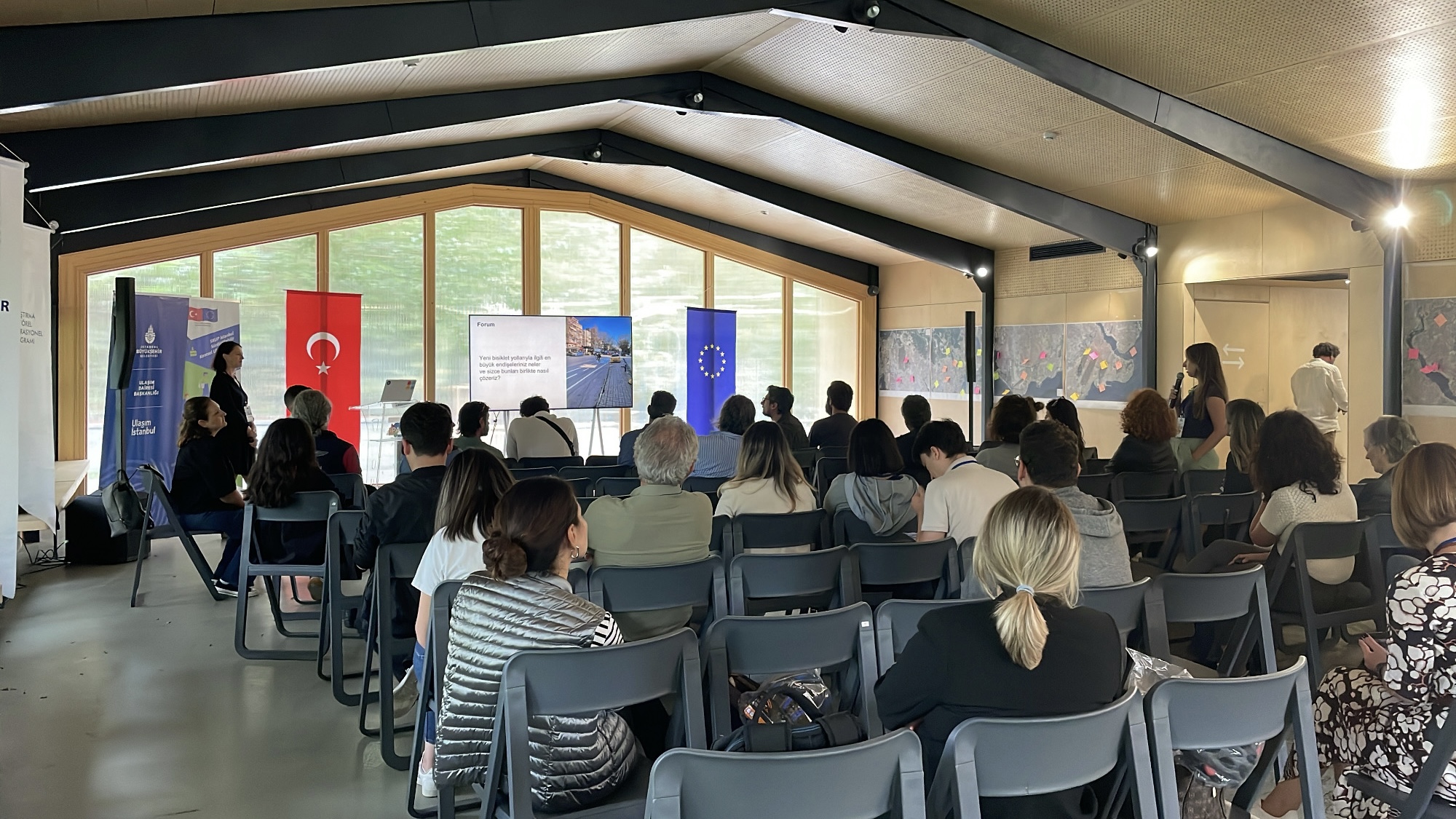
On 21 September 2024, within the scope of European Mobility Week, a Public Information Meeting on Bicycle Routes was held at the Istanbul Planning Agency (IPA) Campus as part of the Istanbul Sustainable Urban Mobility Plan (SKUP) Phase II – Implementation Plan. The event brought together representatives from the Istanbul Metropolitan Municipality (IMM), civil society organizations, and citizens. The meeting provided information on the planning of Istanbul’s new bicycle routes and gathered suggestions from participants.
Opening Remarks and Project Presentations
Participation Specialist Miray Özkan opened the meeting by emphasizing the importance of cycling in sustainable mobility. Akif Türkel, Transport Sector Manager at the Delegation of the European Union to Türkiye, highlighted cycling as an eco-friendly mode of transport that should be further promoted. Türkel also noted its social, economic, and environmental benefits beyond mobility.
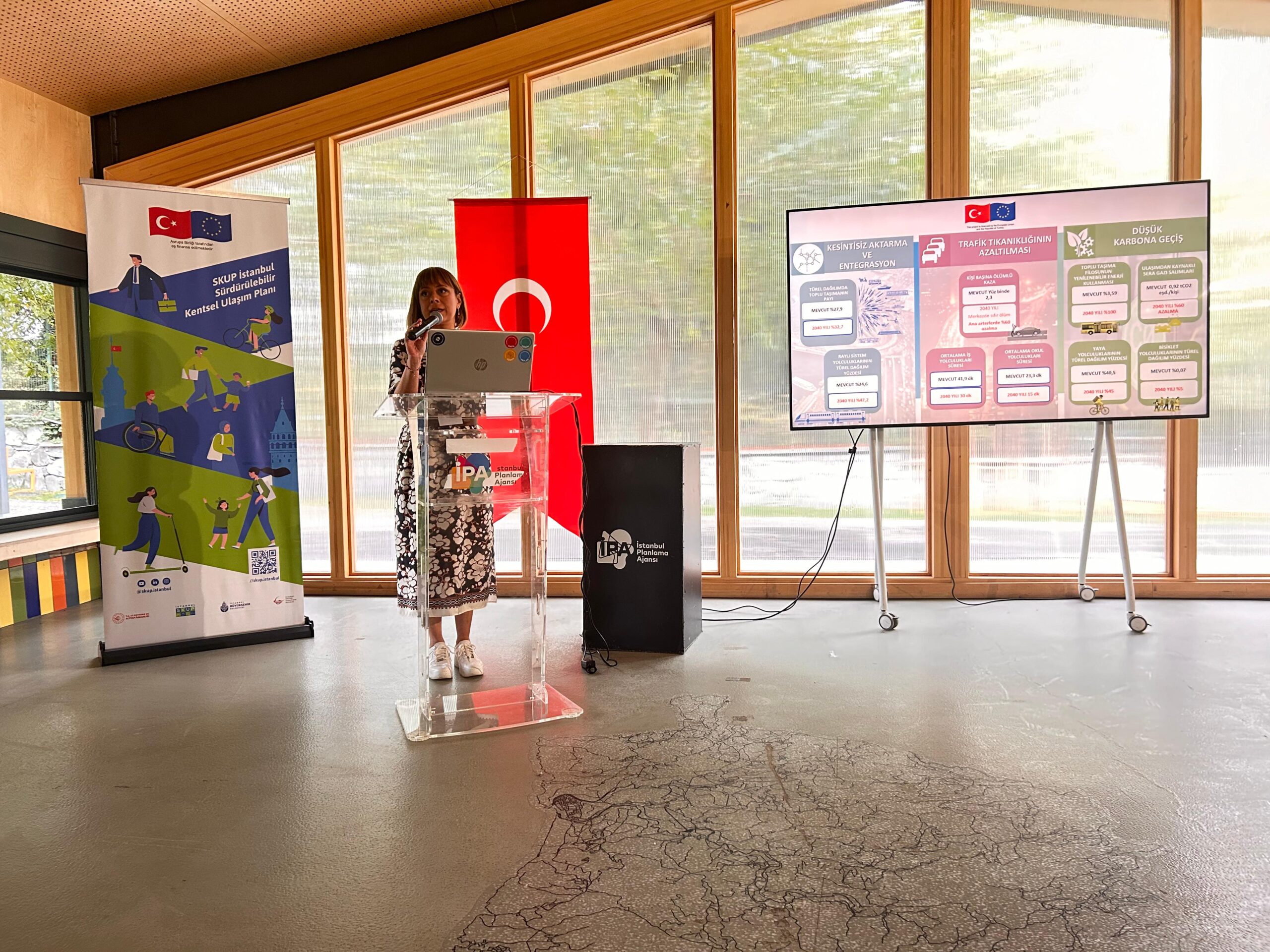
Melda Horoz, Head of Transport Planning at IMM, shared insights on the ongoing work within the SKUP project. She drew attention to the integration of bicycle routes with public transport, presented initiatives aimed at reducing traffic congestion, and discussed the city’s transition to low-carbon practices.
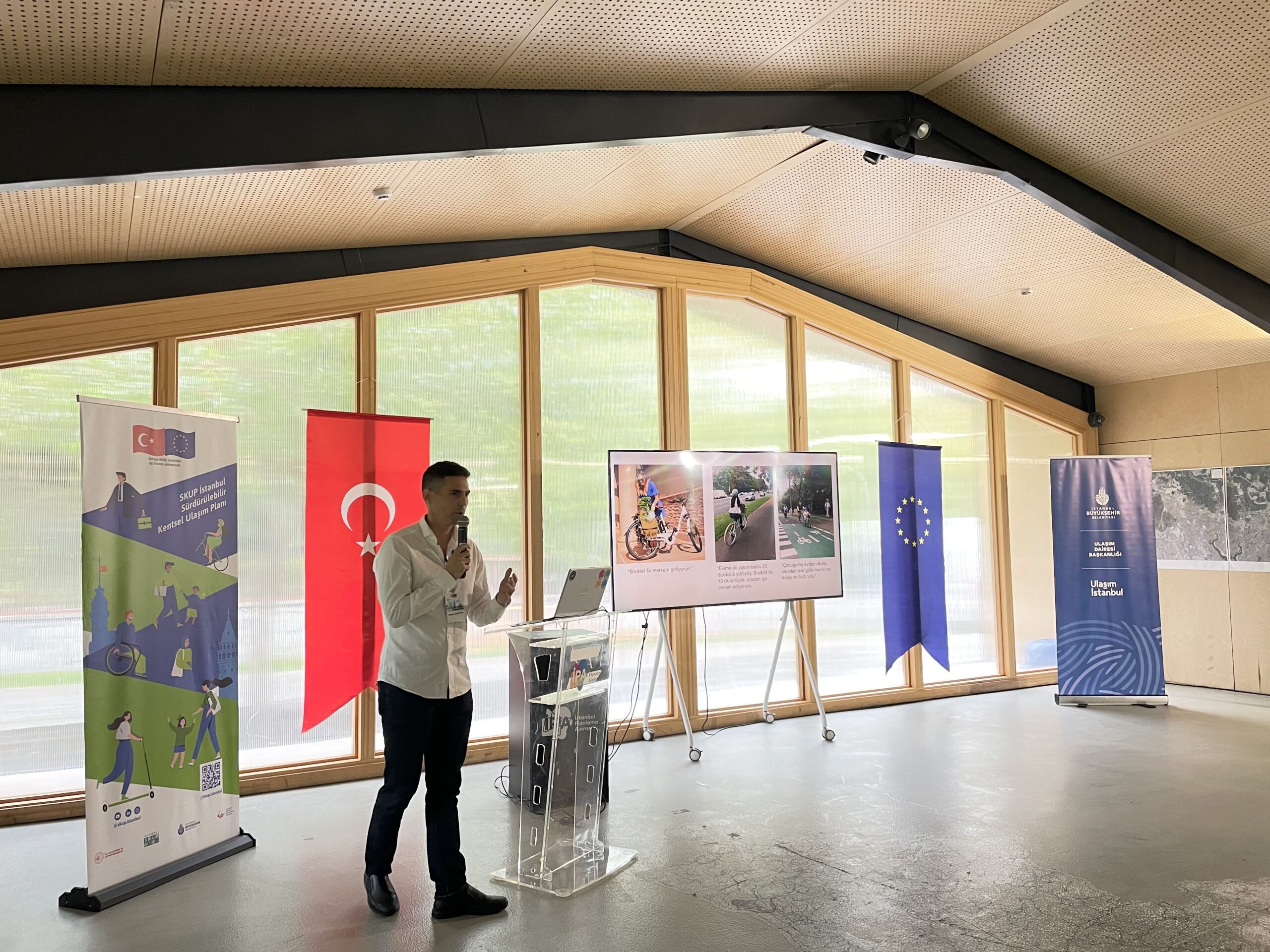
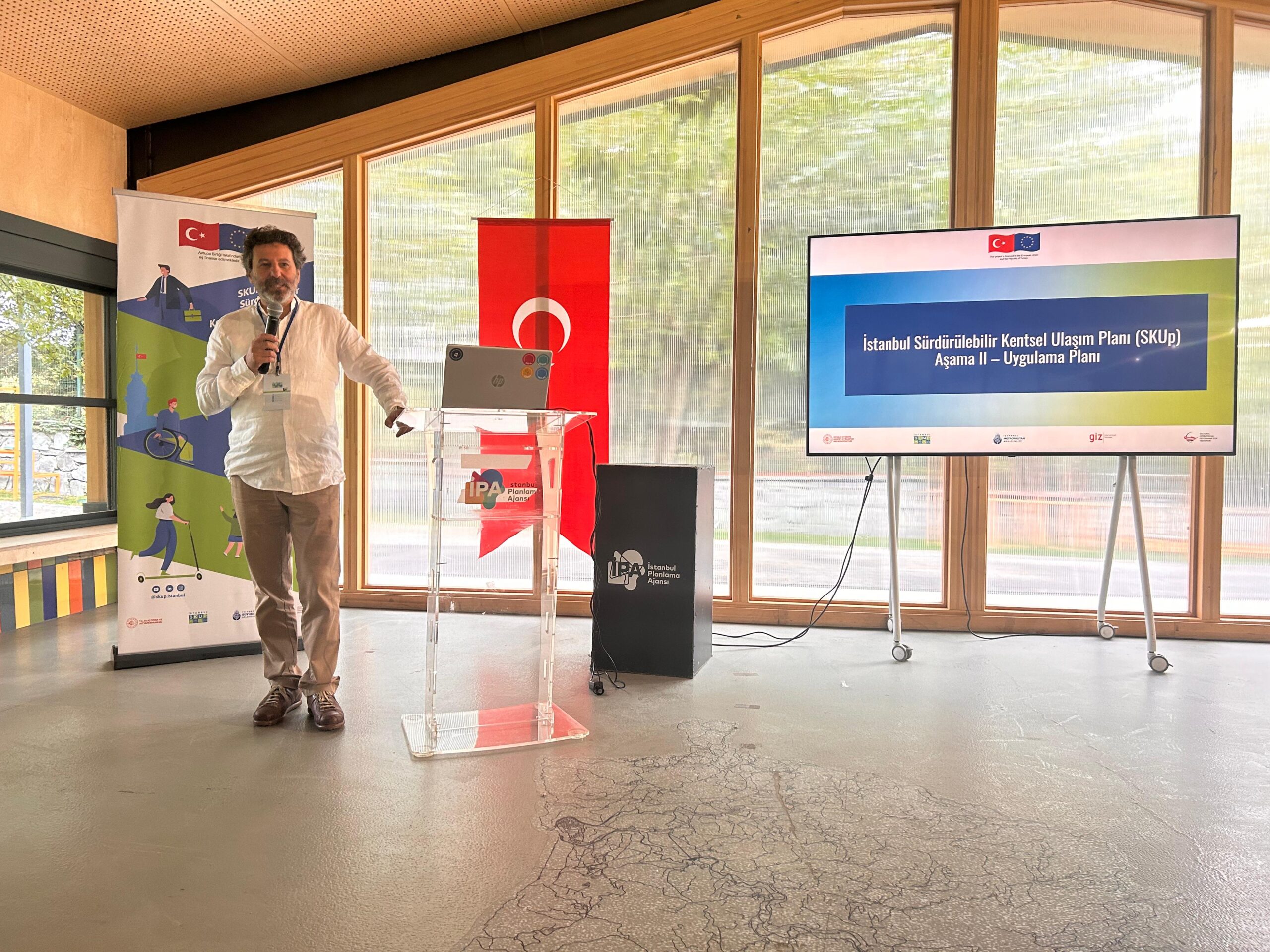
Haluk Camcıgil, Key Expert of the project, presented the proposed new bicycle routes. His presentation focused on route safety, integration potential, and existing infrastructure challenges. After the presentation, participants shared their views on the benefits of cycling in the city through the MentiMeter application.
Regional Assessments and Feedback
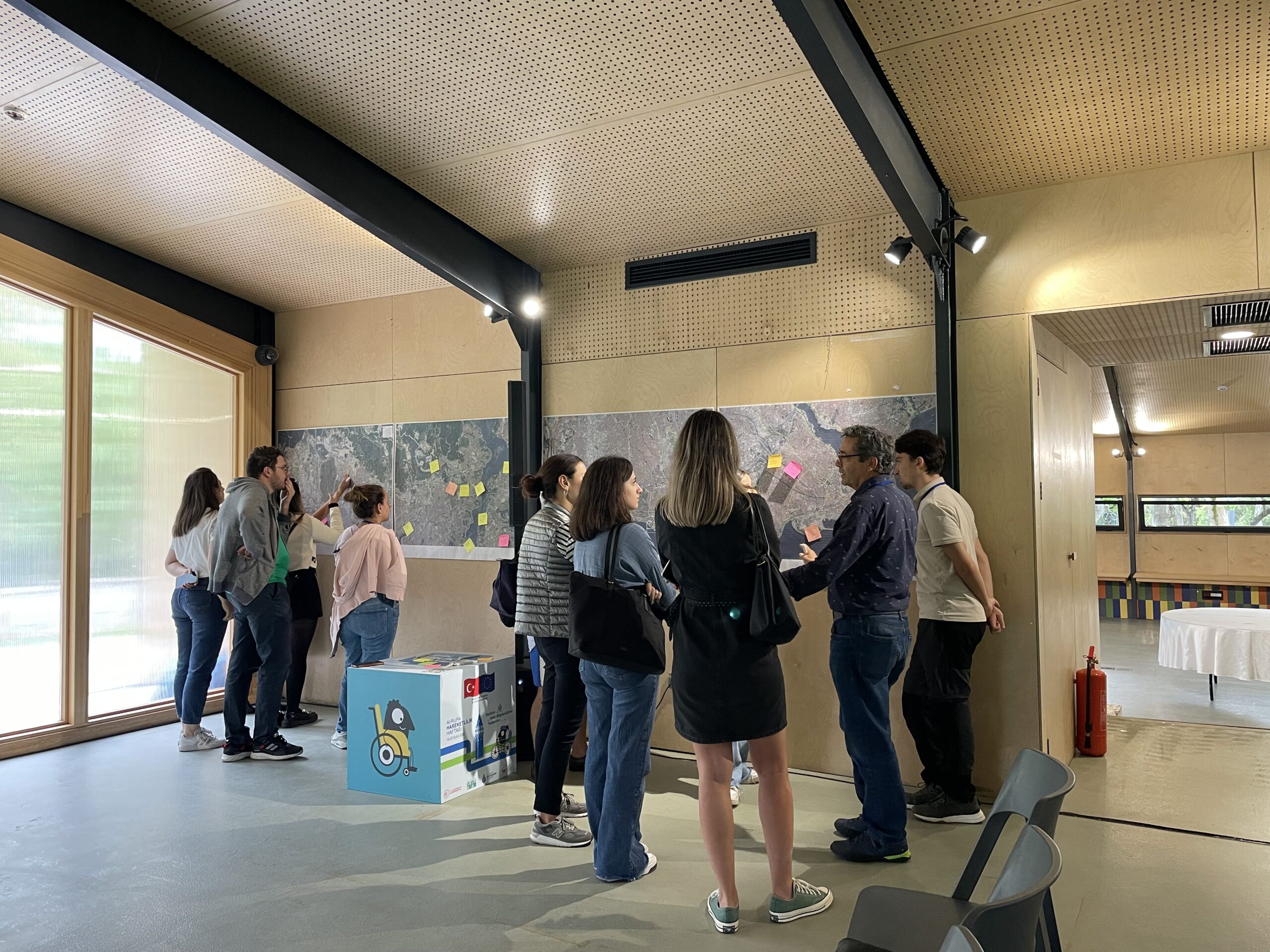
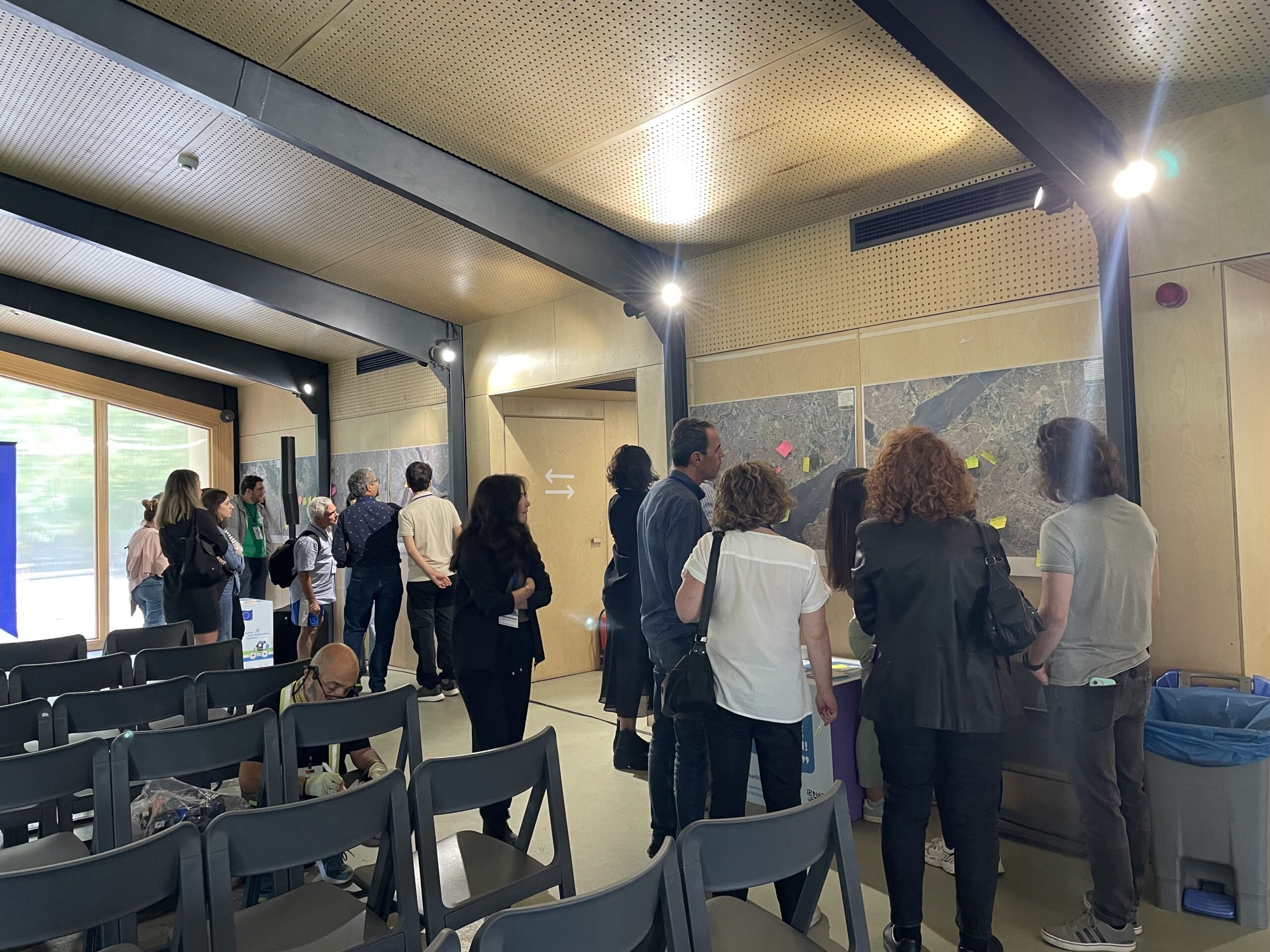
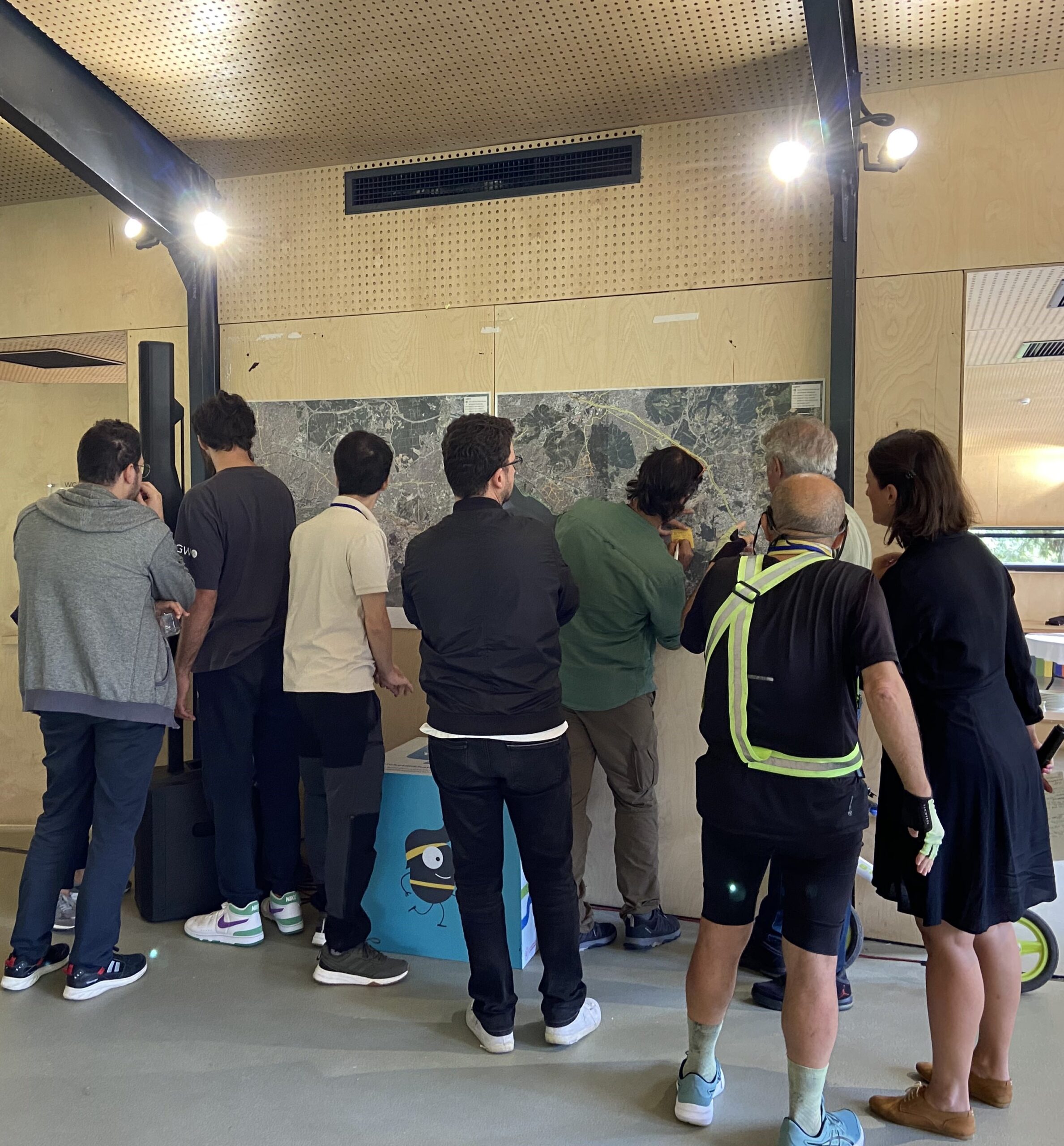
In the second part of the meeting, participants reviewed the proposed bicycle routes across Istanbul on maps and provided their individual assessments. On the Asian side, the Pendik–Tuzla line was noted as unsuitable due to narrow existing roads, though alternative routes and connections were suggested as solutions. The Kadıköy–Bostancı line was emphasized for its potential integration with maritime transport.
On the European side, the coastal route from Galataport to the Historic Peninsula stood out as a sustainable option for tourists to explore the city by bike. In addition, it was noted that integrating bicycle paths with existing tunnels in dense areas such as Golden Horn (Haliç) and Taksim could improve both safety and usability.
Participants’ Opinions and Suggestions
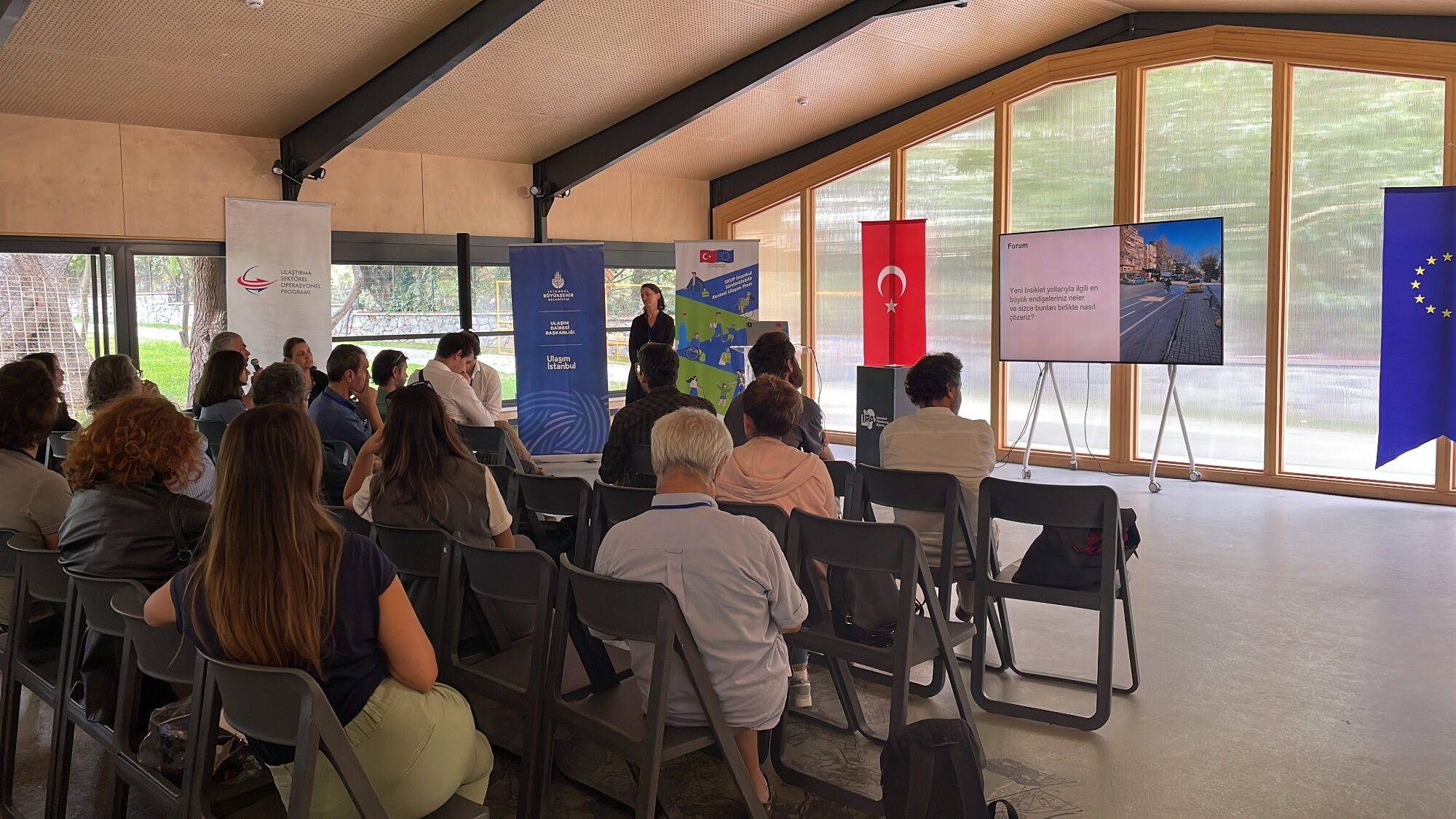
During the forum section, participants shared feedback on how bicycle lanes would affect local shopkeepers and neighborhood residents. The majority expressed that bicycle paths would benefit businesses and improve the urban landscape, while concerns were also raised about potential parking issues.
At the end of the meeting, the need for greater integration and public support to expand bicycle routes in Istanbul was underlined. It was emphasized that more awareness-raising activities should be carried out for both residents and local businesses. Creative solutions will be developed, and projects will continue to be shaped according to citizens’ feedback.
This information meeting, contributing to Istanbul’s sustainable mobility goals, will continue as part of a participatory process that includes citizens’ perspectives. Stay tuned for more details on new bicycle routes and upcoming projects!